
How To Choose Between Patio Doors And Bifold Doors For Your Space

When it comes to creating a seamless connection between your indoor and outdoor spaces, choosing the right door can make all the difference.

Homeowners often find themselves deciding between patio doors vs bifold doors, as both options are designed to bring in natural light, enhance aesthetic appeal, and provide flexible access to outdoor areas.

Understanding the differences between these door styles, from opening mechanisms to frame materials and energy efficiency, will help you select the perfect solution for your home.

FeaturePatio DoorsBifold Doors
Best for small spaces
Fully open wall
Panoramic views
Space saving
“Wow factor”ModerateHigh

Patio Doors and Bi-Fold Doors

Patio doors, often called sliding doors or sliding patio doors, operate on a smooth track, allowing large glass panels to move effortlessly. They provide sleek sight lines and unobstructed access to outdoor areas, making them ideal for smaller spaces.

Bi-fold doors, sometimes referred to as folding doors, use a concertina-style mechanism, where multiple door panels fold together to one side. This allows the entire wall to open, creating a seamless transition between indoors and outdoors. Aluminium bifold doors are particularly popular due to their slim frames, thermal efficiency, and high-quality construction.

Opening Mechanisms

How bifold doors open

Bi-fold doors operate on a top and bottom track, and the panels fold and stack neatly to the side, allowing the full opening to be unobstructed by fixed panes. Bi-fold doors can completely open up by folding back on themselves, offering greater ease of access between indoors and outdoors. Additionally, bifold doors can open inwards or outwards, which is perfect for homes with limited space.

How patio doors open

Sliding patio doors slide open along one or two tracks, leaving at least one pane covering the opening when partially open. Sliding doors can be opened as far as desired, allowing for flexible ventilation.

Threshold differences

Threshold design also differs: bi-folds can have a flush threshold for a seamless connection, whereas sliding doors need a top and bottom track that may require track maintenance over time.
Views and Natural Light

Both door types bring light into your home, but the way they do it differs:

sliding doors Chessington

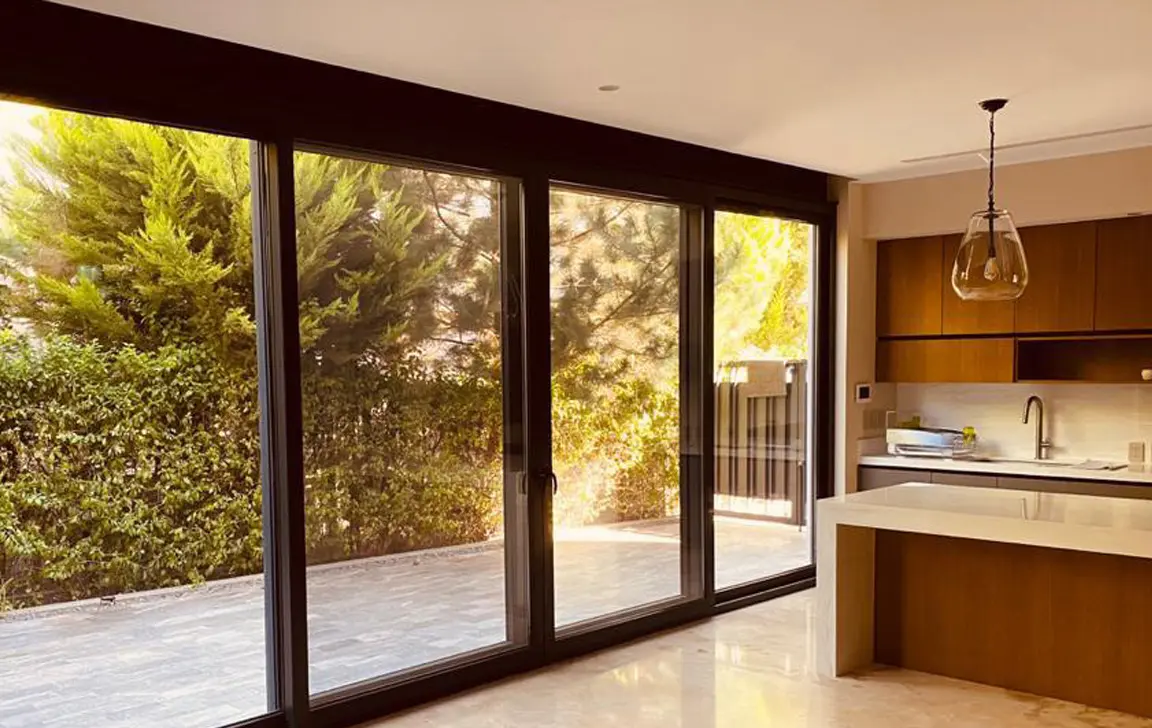
Sliding doors

Sliding doors tend to provide panoramic views with large glass panes and slim sight lines, ideal for small openings or spaces where less frame is preferred.

bifold doors Chessington

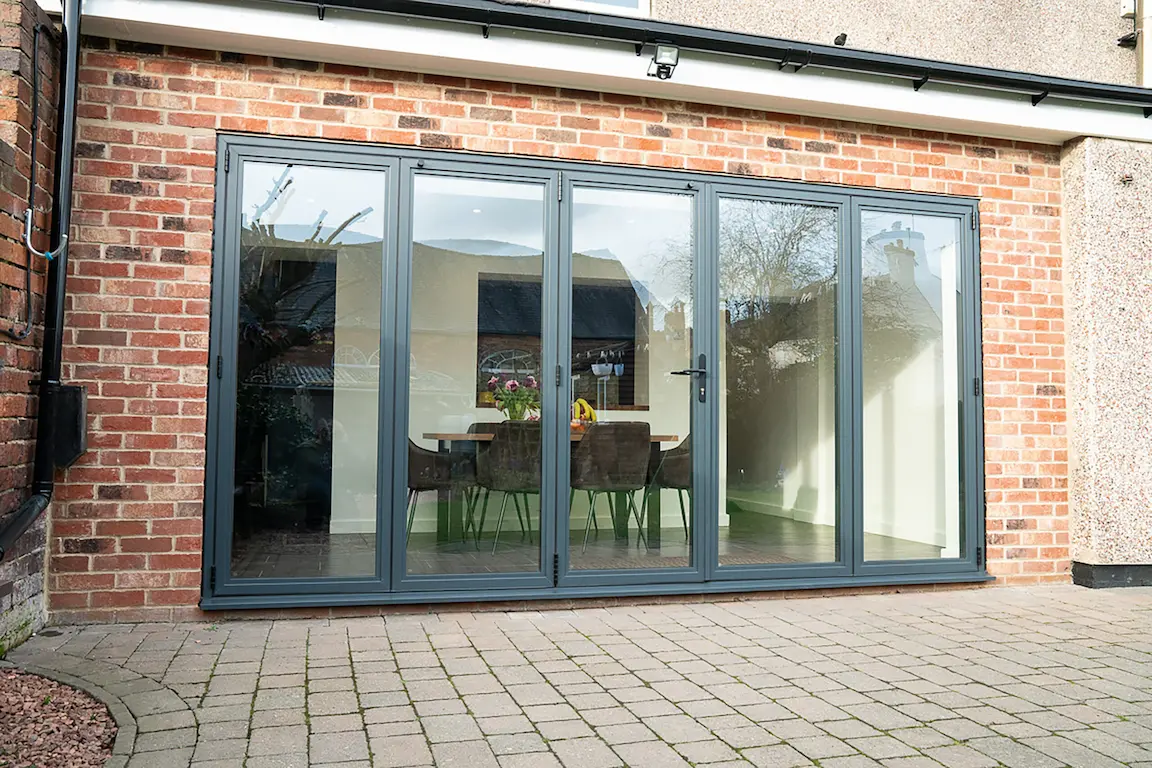
Bifold Doors

Bi-fold doors fold away completely, offering unobstructed access and a seamless transition to the garden or patio, perfect for wide openings or entire walls of glass.

The amount of natural light depends on the glazed area, not just the mechanism. Both door options can create bright, open spaces filled with fresh air and natural light.

Space and Layout: Bi-Fold vs Sliding Doors Space Saving

Best for smaller spaces

Sliding doors save floor and lateral space because panels move along a track rather than folding outwards, making them ideal for smaller spaces. Sliding patio doors are better for saving floor space and are excellent for framing wide, uninterrupted views.

Best for large openings

Bi-folds need room for folding stacks either internally or externally, affecting adjacent furniture and circulation, so they are better suited for medium or larger spaces. However, bi-fold doors can provide more space for opening and light by fully folding back, creating a sense of more space and unobstructed access between indoors and outdoors. Their major advantage is the ability to create a seamless transition with no threshold, enhancing both aesthetics and convenience. Bi-fold doors also provide a modern, “wow factor” aesthetic that can replace an entire wall. Bi-folds offer flexible stacking configurations and traffic (lead) doors for everyday access without opening all panels.

Things to consider

For narrow balconies or tight exterior reveals, sliding or lift‑and‑slide variants often prove more practical. Ultimately, the choice between patio doors and bifold doors often comes down to personal preference regarding space, layout, and style.

Thermal Performance and Energy Efficiency

When comparing patio doors and bi-fold doors, thermal efficiency is key. Modern aluminium bifold doors and sliding patio doors use thermal breaks and double or triple glazing to reduce heat loss while maximising natural light.

Slim frames and low threshold designs enhance insulation and provide a seamless connection to your outdoor space, making these doors both energy efficient and accessible. Performance depends on the combination of frame, glazing, and threshold, so choosing high-quality systems ensures your doors stay thermally efficient, durable, and stylish for years to come.

Security and Durability

When comparing door styles, security is a top priority. Modern aluminium bifold doors and sliding patio doors feature multi-point locking systems, anti-lift hardware, and strong aluminium frames to resist tampering and forced entry.

Both door types meet current building regulations, offering homeowners peace of mind alongside a sleek, modern look. With robust construction and advanced security features, these doors provide a safe, stylish, and durable connection between indoor and outdoor spaces.

Cost Comparison

The cost of patio doors and bi-fold doors depends on a number of factors, including materials, glazing, size, and panel configuration. Aluminium bifold doors may have higher initial costs due to multiple panels and complex installation, but they offer wide openings, flexible layouts, and a modern look.

Sliding patio doors are often more space-efficient and can be less expensive to install, especially in smaller openings, while still providing large glass panels, energy efficiency, and durable aluminium frames.

Ultimately, the best choice balances budget, home layout, and desired features, ensuring a stylish, functional, and long-lasting door system.

Not sure where to start?

For advice on the most suitable option for your home and budget, don’t hesitate to contact our experienced team.

Installation, Maintenance and Practical Use

Both patio doors and bi-fold doors require thoughtful installation and regular maintenance to ensure long-term performance. Sliding patio doors rely on smooth-running tracks, which should be kept clean and occasionally have their rollers adjusted for seamless operation. Similarly, bifold doors need periodic servicing of hinges and rollers to maintain proper alignment and preserve effective sealing.

With the right installation and ongoing upkeep, both door types remain durable, secure, and easy to use, delivering a seamless connection to your outdoor area.

Final Considerations

In summary, both patio doors and bi-fold doors bring distinct advantages to your home, making them suitable for a variety of architectural styles and personal preferences. Patio doors, with their sliding mechanism and expansive glass panels, offer a sleek, modern look and maximise natural light, making spaces feel brighter and more open. Bifold doors, on the other hand, feature multiple panels that fold away to create a wide, unobstructed opening, perfect for those who want a flexible connection between indoor and outdoor living areas. When deciding between these options, consider factors such as the amount of space available, the level of natural light you desire, thermal efficiency, and your own style preferences. By weighing these elements, you can select the door style that best enhances your home’s comfort, energy performance, and visual appeal.

Real homes. Real service. Real results.

Get in touch with a team that puts your home first and treats it like their own.

Scroll to Top